Blogs & News

: Online Event: Women Adapting Women – Jane Eyre, Emma and North And South with Sandy Welch

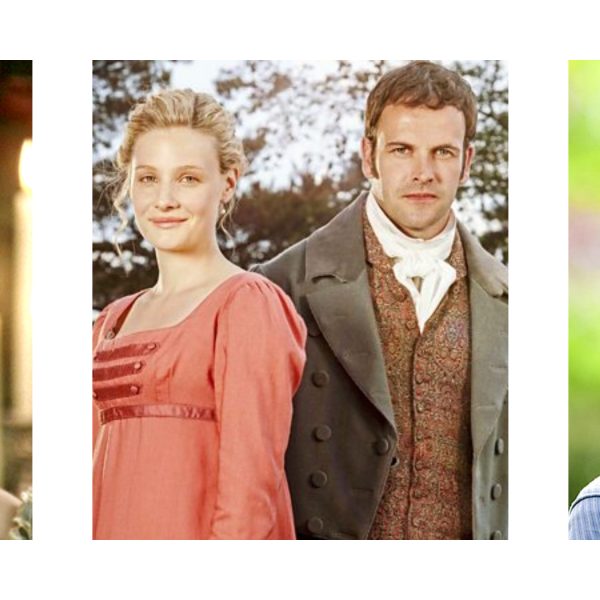
International Women's Day Celebrate International Women’s Day with Bafta-awarding winning screenwriter, Sandy Welch, who is responsible for top tv adaptations including North and South, Jane Eyre, Emma and Our Mutual Friend. Her adaptations are huge hits which perfectly encapsulate the story, themes and atmosphere of these classic novels. So how does she approach the work? What does she chose to leave out? And what impact does TV and film have on the legacy of women writers such as Jane Austen, Charlotte Bronte
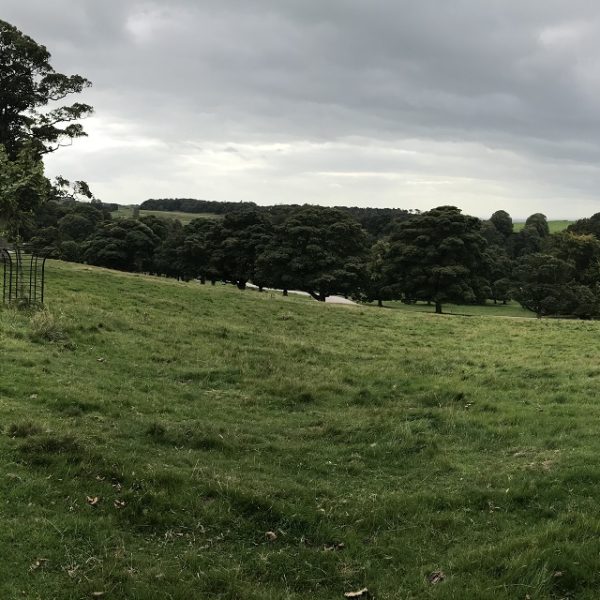
: Radical Walking: Women and the Outdoors in Pride and Prejudice and Mary Barton

A conversation between Libby Tempest (Gaskell Society) and Lizzie Dunford (Jane Austen House) about walking as a revolutionary act for women in Jane Austen's Pride and Prejudice and Elizabeth Gaskell's Mary Barton. A first edition of Mary Barton and an early edition of Pride and Prejudice from the Portico Library's collection will be available for viewing. A partnership with The Portico Library and Jane Austen's House In Person at the Portico as part of the Portico's Walking /

: Online Event: Shirley – Charlotte Brontë and The Industrial Novel

Charlotte Brontë is a giant of Victorian literature and the much-loved author of the classic Jane Eyre, but what of her lesser-read second novel, Shirley, written in the grief and sadness of family loss? Brontë’s Shirley was set amongst the tumultuous times of the Napoleonic Wars and Luddite machine breakers. Her strong female characters and industrial strife show the author had plenty to say about contemporary class and sexual politics, much like her friend Elizabeth Gaskell in her

: Online Talk: Ann Radcliffe and the Female Gothic – ‘A genius of no common stamp’

Get ready for a spooky night of literature as we celebrate the bicentenary of Ann Radcliffe, the ‘mighty magician’ of horror and the gothic. Once the highest paid author of the 1790s, Radcliffe’s most famous works include The Romance of the Forest and The Mysteries of Udolpho. Her writing was lauded by Walter Scott and influenced generations of women writers including Mary Wollstonecraft, Jane Austen, the Brontës, Charlotte Perkin Gilmore and Daphne Du Maurier. But beyond the crumbling

: Online Talk: Mary Barton and the Year of Revolutions: ‘John Barton became a Chartist, a Communist’

Elizabeth Gaskell’s debut novel Mary Barton (1848) is recognised as one of the most important Victorian works to explore the working class Chartist movement, in this case through the character of Mary’s father, John Barton. Chartism was a working class movement demanding political reform. Elizabeth Gaskell made these radical politics the backdrop to her story of love and action adventure in Manchester. Now popular speaker Prof Mike Sanders is back to reveal the historical truth behind the story. The novel