Blogs & News

: Online Talk: Sewing, Slavery and Social Change: Ruth and its Political Moment

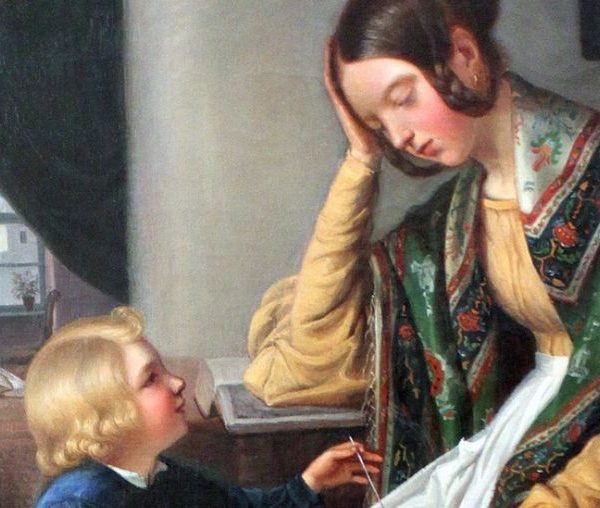
In 1853 Elizabeth Gaskell brought out her novel Ruth about a teenage seamstress. Her city of Manchester was at the centre of the global cotton trade and her country was on the brink of the Crimean War. Unquestionably, public opinion was divided over class conflict and international events. Art and literature reflected concerns about the working and living conditions, and fears about the morality of seamstresses. Black Abolitionists on tour from America laid bare the links between Manchester’s cotton

: Online Talk: The Fallen Woman – Sex and Sin in Elizabeth Gaskell’s Ruth

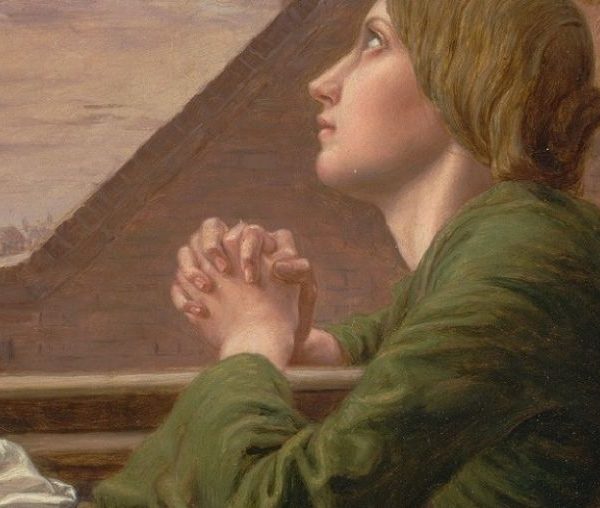
Elizabeth Gaskell’s novel Ruth was banned and burned for its portrayal of a young woman who had sex before marriage. The story instantly became a ‘prohibited book’, even within her own home. For modern readers, there is no explicit sex in the book so it may be hard to understand the outraged response. What made Ruth such a dangerous book? Join Elizabeth Williams as she reveals the truth about Victorian attitudes to female sexuality and their impact on

: Online Talk: Motherhood – The Good, The Bad and The Tolerable

‘No one loves me, -no one cares for me, but you, mother’ Elizabeth Gaskell’s novels are often pre-occupied with mothers and motherhood. The role of mother was regarded as the peak of Victorian womanhood. Women were thought to be domestic angels, designed for the sacred role. As the real life mother to four daughters, Elizabeth Gaskell was once dismissed as a cosy writer of domesticity, wrongly regarded as being ‘unintellectual… and easily shocked’. So, what did she actually have
: Online Talk: The Lady of the Lamp – Florence Nightingale and Elizabeth Gaskell

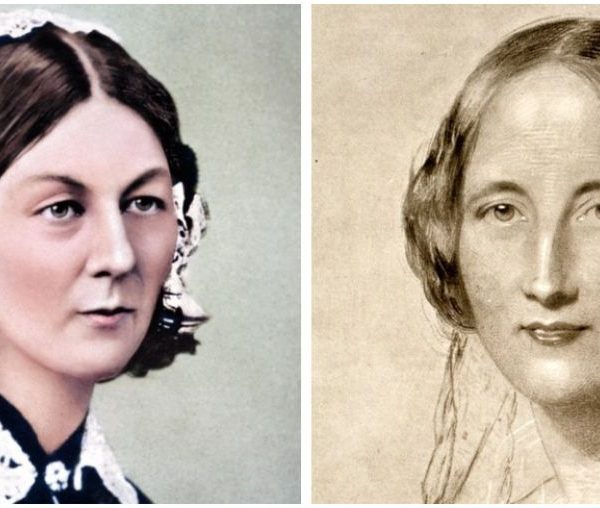
Florence Nightingale is an icon. A pioneer for women and a campaigner for improved healthcare, she was the founder of modern nursing. Yet while the ‘Lady of the Lamp’ is rightly recognised for her caring career in the Crimean War, her work as an eminent mathematician is less well-known. Florence Nightingale was also the first woman to be accepted into the Royal Statistical Society. Now you can find out about the connections between this exceptional woman and Elizabeth

: Online Talk: ‘A Flattering Malady’ – Disease and Dying in Victorian Fiction

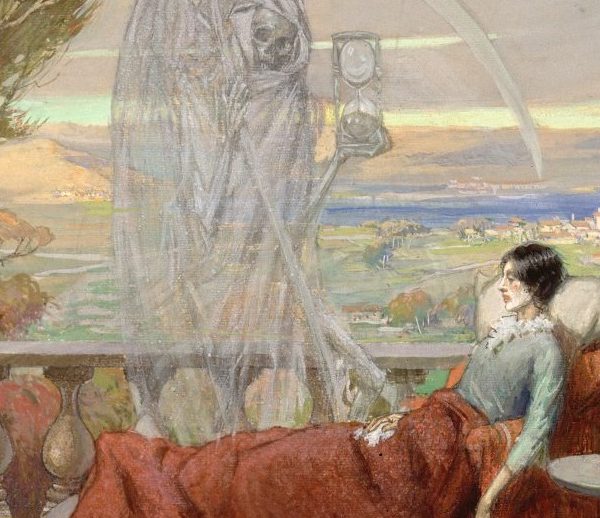
“Consumption, I am aware, is a flattering malady” Charlotte Brontë, 1849Disease and dying were common hazards for characters in Victorian novels. For the modern reader, 19th century novels can sometimes seem packed full of sentimental deathbeds like Jo's death in Charles Dickens' Bleak House.The reality was that in 1800 approximately one in every three children died before their 5th birthday. Fatal diseases such as consumption were common for all ages and literature often reflected real life. In this new