Online Talk – Elizabeth Gaskell’s Gothic Fiction: An Introduction
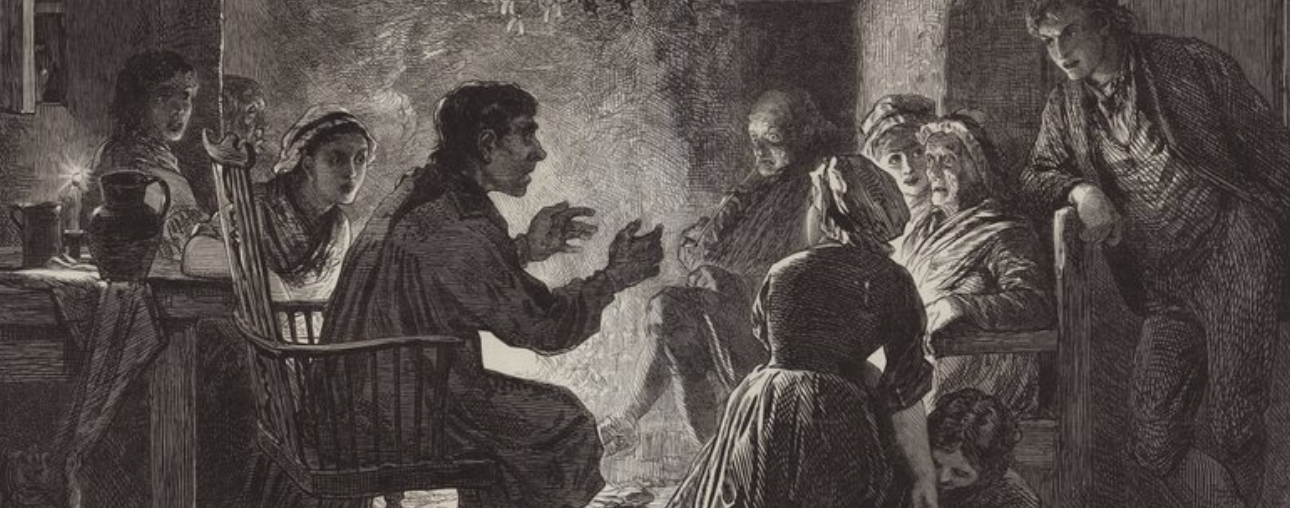
Take a turn to the dark side this autumn as you explore the mystery and macabre of Elizabeth Gaskell’s Gothic writing. Face the claustrophobic suspense of Lois the Witch, feel the supernatural terror of The Poor Clare and shiver in the snowy horror of The Old Nurse’s Story.

While the writings of a wife of a Unitarian minister may not be the first place to look for tales of terror and the supernatural, Elizabeth Gaskell wrote some classic horror stories with everything from highwaymen to family curses.
What is it about the Gothic and the short form in particular that appeals as a mode for certain forms of social criticism? What do these stories and their dalliances with the darkness have to say about patriarchal power, aristocratic pride, and the social status of women and children?
Get ready to step into the shadowy world of Elizabeth Gaskell’s Gothic with Dr Jen Baker.
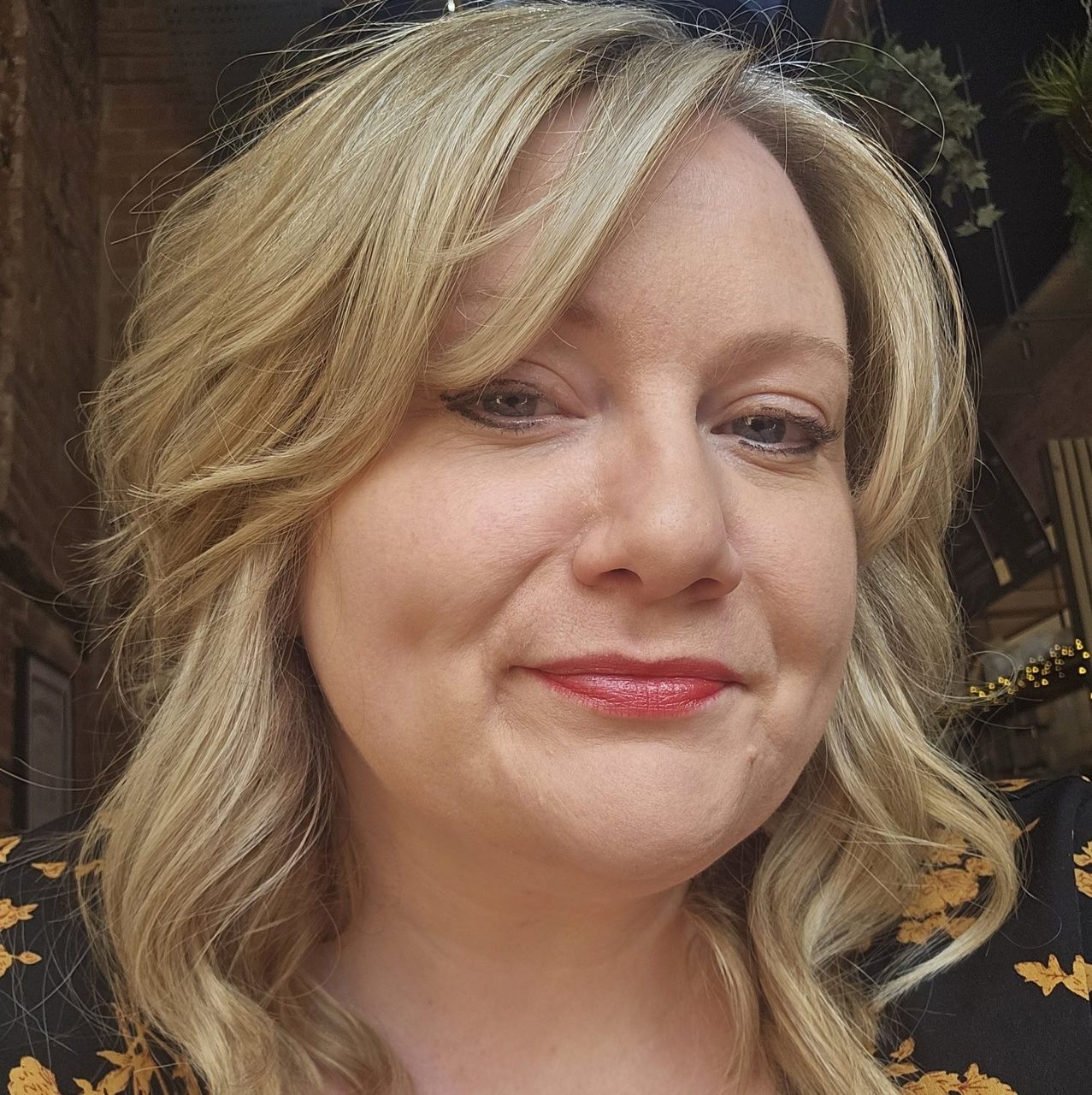
Jen is an Associate Professor at the University of Warwick, UK. Her research interests, on which she has published various articles and book chapters, are depictions of childhood, death studies, the Gothic in periodicals, short form and illustration of the long nineteenth century, and Neo-Victorian Gothic Studies. She is compiler and editor of Minor Hauntings: Chilling Tales of Spectral Youth (2021) for the British Library’s Tales of the Weird series.
‘It was absolutely superb – very informative and delivered with authority.’ Visitor to previous online event
Wednesday 16 September, 7-8pm
£6 per ticket
What else do I need to know?
**Refer to your e-ticket for zoom joining instructions and links. Please check your spam/junk mail for ticket. This talk will also be recorded and all ticketholders will receive a link to the recording via TicketSource after the event.**
If you have any questions about this event, please see our Frequently Asked Questions.
Keep the Pages Turning
Elizabeth Gaskell’s House is run by Manchester Historic Buildings Trust (charity no. 1080606) and all money gained through private tours, talks, room hire and ticket sales goes towards the ongoing maintenance and running costs of the House. If you would like to support the House with an additional donation you can do so via this link.
Wednesday 16 September, 7-8pm
7pm - 8pm
Talk, Talks