Interview with Brian Percival: Historical Drama, Northern Roots and the Director’s Craft
Posted
28th January 2026
in Blogs & News, Events, Literature, news, other
Brian Percival is a director whose career journey has taken him from his working-class roots in Liverpool to one of the most respected names in British television and film. With notable works such as North and South, The Book Thief and All Creatures Great and Small, Percival’s storytelling style is known for its rich emotional depth and stunning visual presentation. In this interview, we explore his creative process, the appeal of historical dramas, and the influence of his northern heritage on his work.
Could you start by telling us a little about yourself and how you first got into directing?
I grew up in a working-class area of Liverpool, close to the Docks where my father worked for the railways. I attended a comprehensive school nearby. After my father passed away, we moved into a council estate in south Liverpool. It was a tough time in the early 1980s, and after a couple of clerical jobs, I spent some time in London. I then returned to the north to attend Art College and from there, I went to film school in Manchester and gradually broke into music videos and TV commercials.

After a few successful years working across Europe, I decided to follow in the footsteps of directors like Alan Parker and Ridley Scott, who managed to break through the class barrier into what had traditionally been a field governed by nepotism. After becoming bored with advertising, my wife wrote the short film About a Girl, which won multiple international awards, including a BAFTA. That was my entry into long-form drama, and shortly after, I was commissioned to direct episodes of Clocking Off for the BBC.
Of all your work, is there a project you still carry with you above all others?
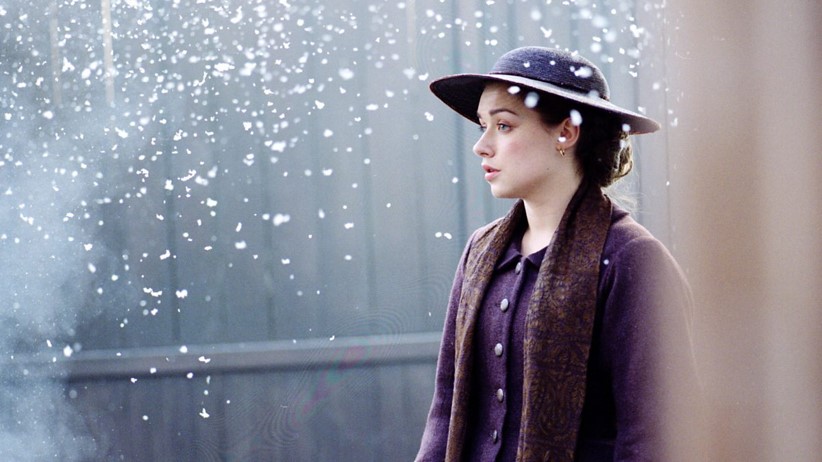
Yes, many. I absolutely loved North and South—it felt like we were breaking a mould. I also loved making The Book Thief, especially being in Berlin. More recently, All Creatures Great and Small has become a home for me, and the landscape and characters there are inspiring in a gentle, comforting way. The cast and crew feel like family.
How would you describe the role of a director on a period drama, where so many departments (costume, set design, historical research) must work in harmony?
Have a vision, hire likeminded people who can not only realise it but make it better. The look is very important, but it should never come before the storytelling. When I started out, I loved the great classics that had been written, but they were often delivered in a way that felt dull and too reverent. I wanted to make these stories more engaging, both visually and in their approach to characters. I thought many period dramas were overly middle-class, and I wanted to change that.
Style and Storytelling
Would you say you have a signature style as a director, or does it shift from project to project?
I think I have a base style, but it does shift depending on the project.

For example, compare North and South to Pleasureland for Channel 4 or Song for Jenny. I always lean towards something that feels natural and realistic, but it must always look beautiful.
When you first read a script—say for North and South or The Book Thief—what tends to spark your interest first? Is it the characters, the atmosphere, the emotional arc, or something else?
All of those things, but depending on the script, some elements resonate more than others. It’s usually story and characters first, followed by atmosphere and setting. Writing is key—good writing can make all the difference. The most important thing for me is always an emotional connection—something that makes me feel or immediately connects with me.
Your visual storytelling often feels beautifully restrained. How do you approach cinematography in period settings without making it feel distant or overly stylised?
When I look back at some period dramas I watched growing up, many of them felt visually dull. The worlds were incredible, but the direction didn’t always serve the story. I wanted to change that. Some directors overuse close-ups to make things feel more dramatic, but I think that’s a lack of judgement. Let the scene breathe. Watch the characters and engage with the story. If it’s done well, the audience shouldn’t even notice the direction until after.
The Pull of the Past
Why do you think period dramas continue to resonate with audiences around the world?
I think it’s predominantly escapism, and perhaps more so now than ever. There’s also a nostalgic misconception of the past—it often feels more fair or simpler than it really was, and people find comfort in that. I hold my hands up and admit that I have been guilty of encouraging that in some of my work. When I decided to take on All Creatures Great and Small in 2019, the world was in such a bad place with constant bad news, so I wanted to offer people an escape—even if it was just for an hour or two.
Northern Roots and Cultural Identity
Several of your projects are rooted in northern England. How has your own northern heritage shaped the stories you’re drawn to?
My working-class upbringing in the north definitely influences the stories I’m drawn to. There’s a sense of fairness, of right and wrong, that resonates with me. I relate to northern stories, and I feel I can bring a greater sense of truth to them. Historically, northern stories have been underrepresented, but thankfully that’s changing.
Do you feel that regional identity, particularly the North-South divide, influences the emotional or political tone of your work?
Absolutely. I’m passionate about the North. I feel far more at home here than anywhere else. It’s my ‘ordinary,’ my home, and that’s why it’s so special to me. The North gives my work its emotional and political tone, making it distinct from other regions.
Adaptation and Interpretation
How early in the process do you begin shaping the visual world with designers, costumers and cinematographers?
As early as possible. I have favourite people to work with, and I value their opinions greatly. I’ll share the script with them as soon as I can, as I enjoy working as part of a team. The early stages of bouncing ideas around are always exciting. In North and South, we drew inspiration from the engravings of Gustave Doré, while for All Creatures, it was Simon Palmer.
Are there moments where you’ve had to make bold choices—perhaps omitting or reworking details—in order to preserve the emotional truth of the story for a visual medium?
Yes. Sometimes adaptations need to be adjusted to appeal to modern audiences, but as long as the original intention is preserved, I can accept that. Audiences change, and we need to adapt to keep them engaged. Otherwise, we’re only appealing to the purists who are already converted.

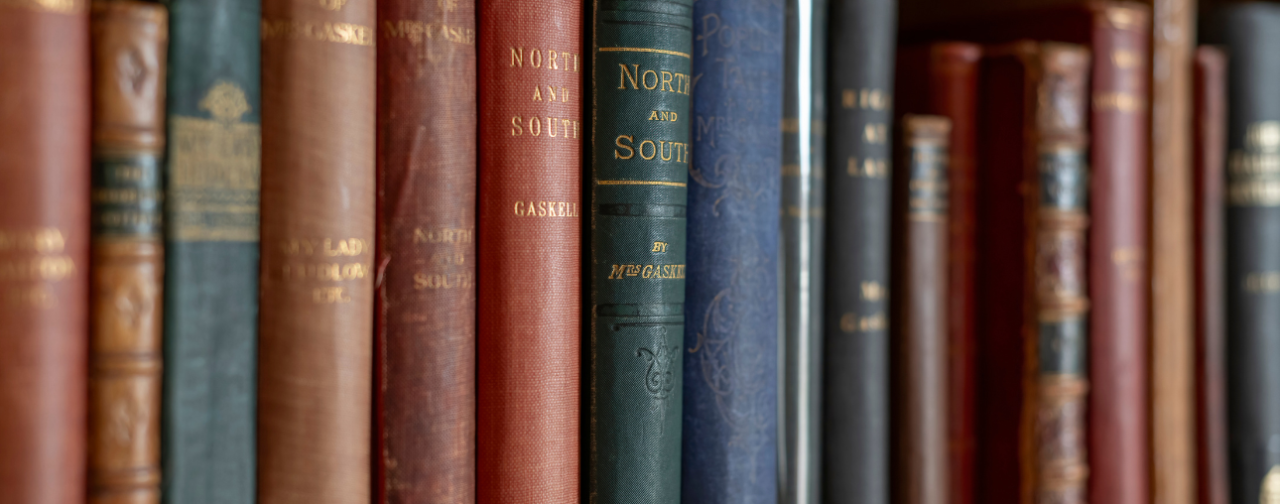
It’s tricky, but it’s necessary if we’re going to bring these great classic novels to a wider audience. We can never replace the novel, but we can hope to introduce it to a larger audience. That’s why books are often reissued when the series launches.
Personal Reflections
Are there any historical periods, figures, or themes you haven’t yet explored but would love to?
I’d love to explore the 1920s and 1930s in Berlin. It was an incredibly dynamic time in history and would make for an amazing setting for a story.
Where do you see the industry heading in terms of period drama, and what advice would you give to up-and-coming directors hoping to work in that area?
The industry is changing. There will always be an audience for period work, but formats are shifting. With streaming services dominating, we see fewer reasonably budgeted films. It’s a tricky time for British drama, and I worry it’ll become increasingly rare. As for aspiring directors, I’d say: work hard, believe in yourself, and if you want it enough, it will happen.
Interview and blog by Caroline Malcolm-Boulton.

Find out more about North and South in our online talks North and South across the Atlantic – Elizabeth Gaskell’s Influence in America and South and North – Ellen Wilkinson, Elizabeth Gaskell and the ‘Big Strike’ novel.