Your Online Gothic Autumn 2026
Posted
10th August 2026
in Blogs & News, Events, news, other
The shadows are calling. This autumn, leave the mundane behind and step into a world of monsters and the macabre with haunting stories by some of your favourite women writers. Embrace the darkness with our Online Gothic Season, all from the comfort of your own home.
Starting with an Introduction to Elizabeth Gaskell’s Gothic Fiction, we take a look the early Mothers of the Gothic and the dark creations of Mary Shelley in Beyond Frankenstein. Then there is the slow-rising dread of witch hunts and hysteria in Lois the Witch as we compare myth and reality in The Shadows of Salem.
Discover how Victorian writers like Elizabeth Gaskell and Anne Brontë questioned the status of powerful and abusive men in Monsters and Madmen. Then cross the threshold into a world of flickering gaslight and cold stone for the era’s greatest Victorian Gothic writers.
Claim your seat in the dark now… if you are brave enough!
‘As winter drew on, and the days grew shorter, I was sometimes almost certain that I heard a noise as if someone was playing on the great organ in the hall.‘ The Old Nurse’s Story
Online Talk – Elizabeth Gaskell’s Gothic Fiction: An Introduction
Face the claustrophobic suspense of Lois the Witch, feel the supernatural terror of The Poor Clare and shiver in the snowy horror of The Old Nurse’s Story.
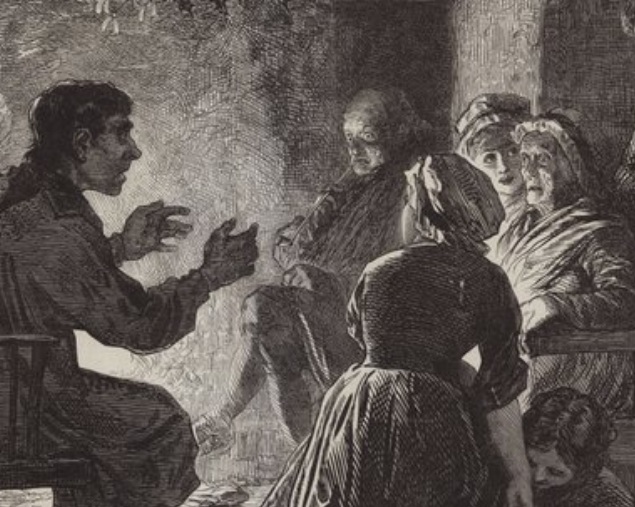
Elizabeth Gaskell wrote some classic horror stories with everything from highwaymen to family curses. What is it about the Gothic and the short form in particular that appeals as a mode for social criticism? What do these stories and their dalliances with the darkness have to say about patriarchal power, aristocratic pride, and the social status of women and children?
Get ready to step into the shadowy world of Elizabeth Gaskell’s Gothic with Dr Jen Baker.
Wednesday 16 September, 7-8pm
Online Talk – Mothers of the Gothic: Writing the Supernatural
Get ready for a spooky night of literature as we celebrate the early women writers who gave birth to a new genre.
From crumbling castles and scary supernatural scenes, novelists like Ann Radcliffe (the highest paid author of the 1790s) and Charlotte Dacre broke new ground and influenced generations of writers including Jane Austen and Mary Shelley.
Discover the forgotten early mothers of the Gothic including Eleanor Sleath, Eliza Parsons and Maria Regina Roche, all mentioned in Jane Austen’s Northanger Abbey.
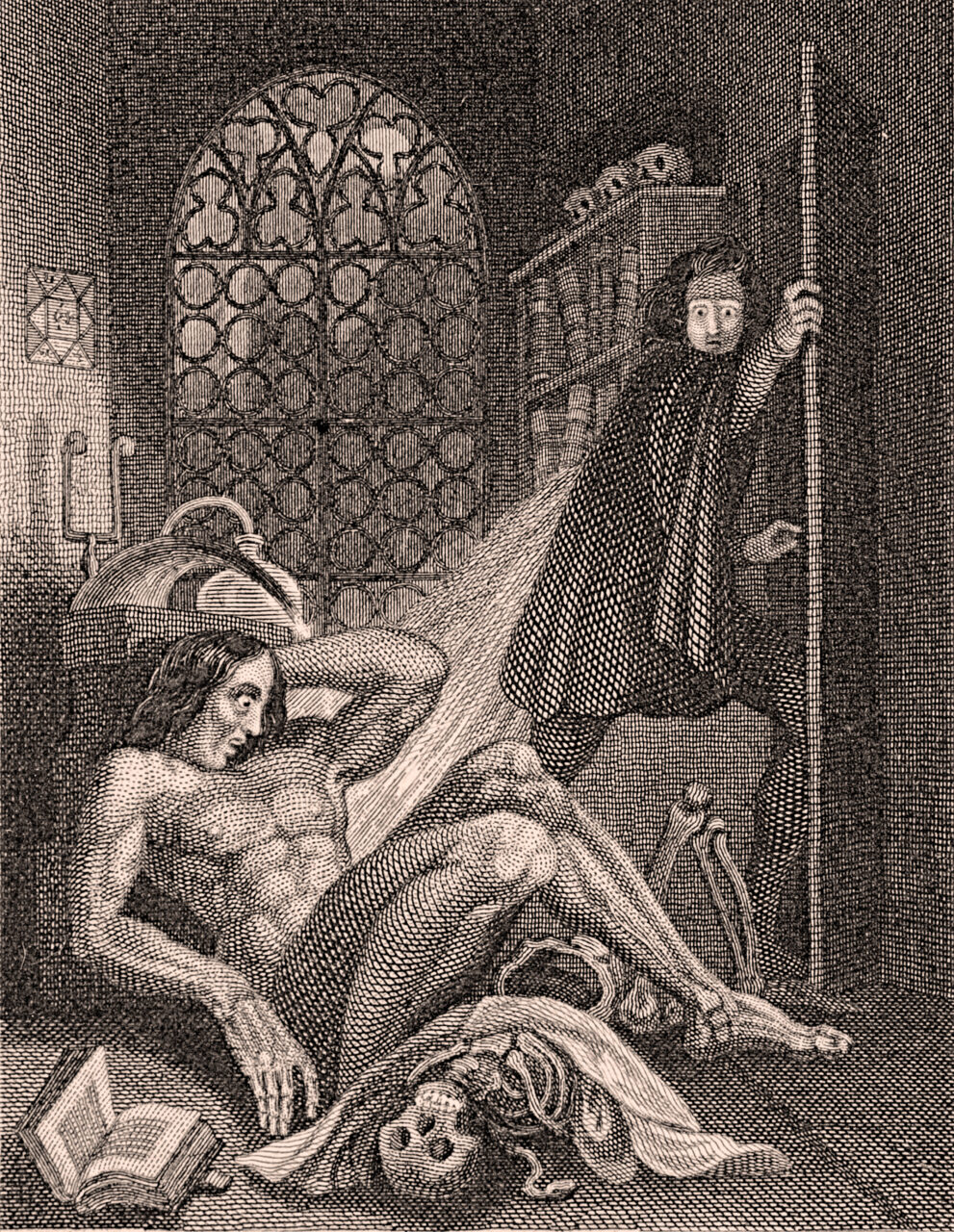
Join Gaskell Society Chair, Dr Diane Duffy, to uncover the forgotten women of the Gothic in this terrifying talk.
Wednesday 30 September, 7-8pm
Online Talk: Mary Shelley Beyond Frankenstein
The spark of life was only the beginning. While popular culture remembers the lightning flash and the stitched-together creature, Frankenstein remains one of the most searching meditations on science, loneliness and what it means to be human. Remarkably, Mary Shelley was still a teenager when she wrote it.

Professor Sharon Ruston explores the story of Frankenstein’s creature alongside Mary Shelley’s lesser-known tales. She shows how stories such as On Ghosts, Roger Dodsworth: The Reanimated Englishman, Valerius: The Reanimated Roman, and Transformation reveal Shelley’s lifelong fascination with animation, identity and the boundaries between life and death.
Wednesday 7 October, 7-8pm
Online Talk: The Shadows of Salem – Myth V Reality in Lois the Witch and Other Tales
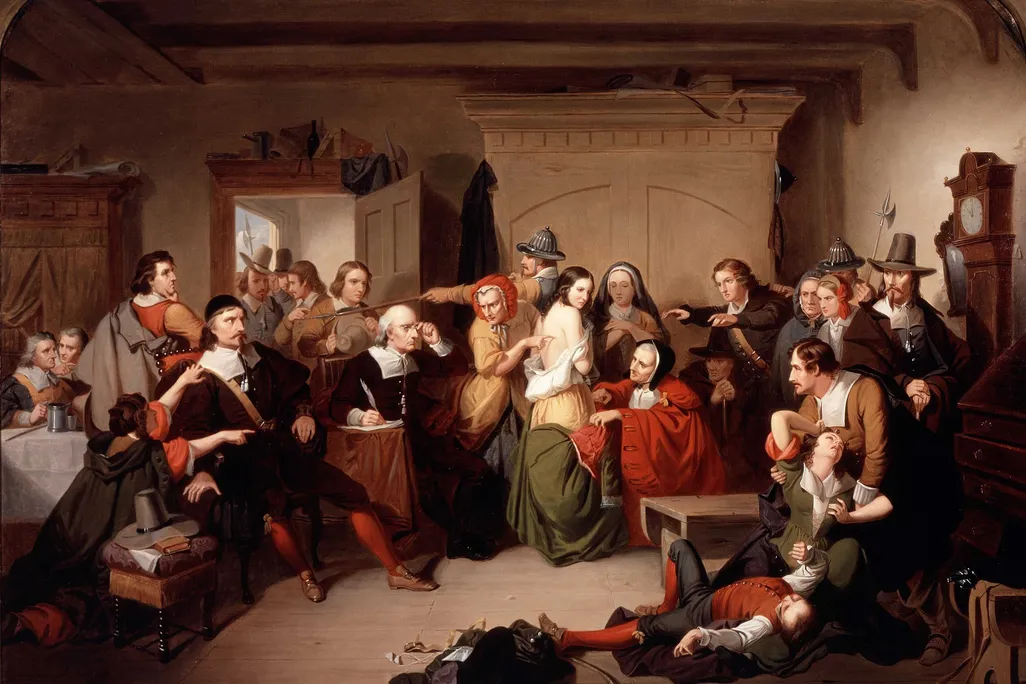
Elizabeth Gaskell drew on the real Salem Witch Trails of 1692 to write her 1859 novella, Lois the Witch. So join us for an evening of historical unmasking as we explore the tragic story of Lois Barclay, an English orphan caught in a whirlwind of Puritan fanaticism in colonial Massachusetts.
Author Livi Michael peels back the Gothic layers of tension and dread to discover where historical fact ends and Victorian fiction begins. How is the figure of the witch a symbol of social anxiety, sexual politics and mass hysteria, and what is the real truth of the tale?
Wednesday 14 October, 7-8pm
Online Event: Elizabeth Gaskell V Anne Brontë – Monsters and Madmen
In the shadows of 19th-century domesticity, Elizabeth Gaskell and Anne Brontë used the Gothic to question the status of powerful and abusive men. Starting with Elizabeth’s ghost stories like The Old Nurse’s Story, we see how she used eerie atmospheres and psychological terror to explore family relationships and the weight of the past.
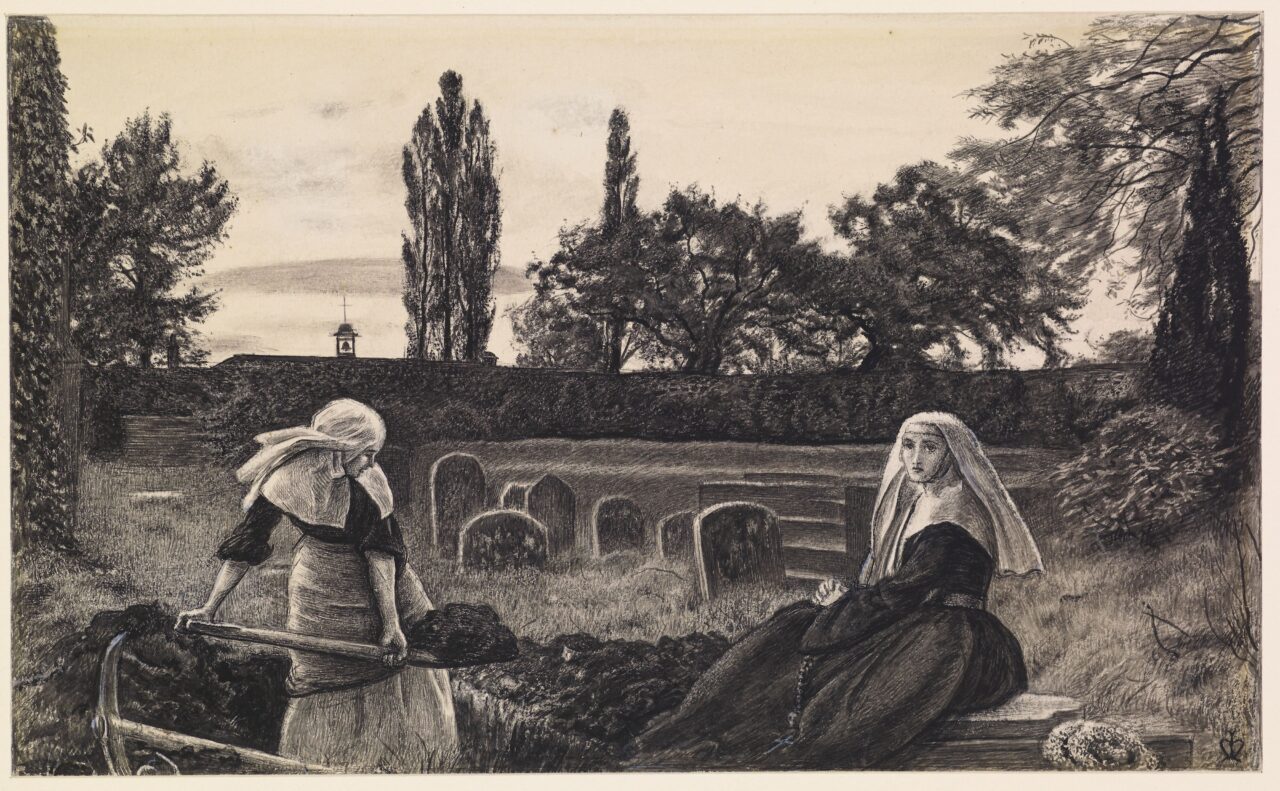
Anne Brontë shattered the silence of the domestic sphere with The Tenant of Wildfell Hall. By depicting a woman’s flight from an abusive marriage and her struggle for financial independence, Brontë replaced spectral horrors with something more terrible, the reality of women’s contemporary status.
In partnership with the Brontë Parsonage Museum. Speakers are Andrew Stodolny and Dr Amy Montz, University of Southern Indiana.
Wednesday 21 October, 7-8pm
Online Talk: Victorian Gothic – Haunted Houses and Night-time Terrors
Step beyond the velvet curtains of the Victorian home to discover the era’s greatest Gothic writers, from the atmospheric dread of Emily Brontë’s Wuthering Heights to the suffocating psychology of Charlotte Perkins Gilman’s The Yellow Wallpaper.
We’ll consider terrifying tales about ancestral curses, haunted railways, dead lovers and doomed servants by British and American authors including Charles Dickens, Mary Elizabeth Braddon and Edgar Allan Poe.
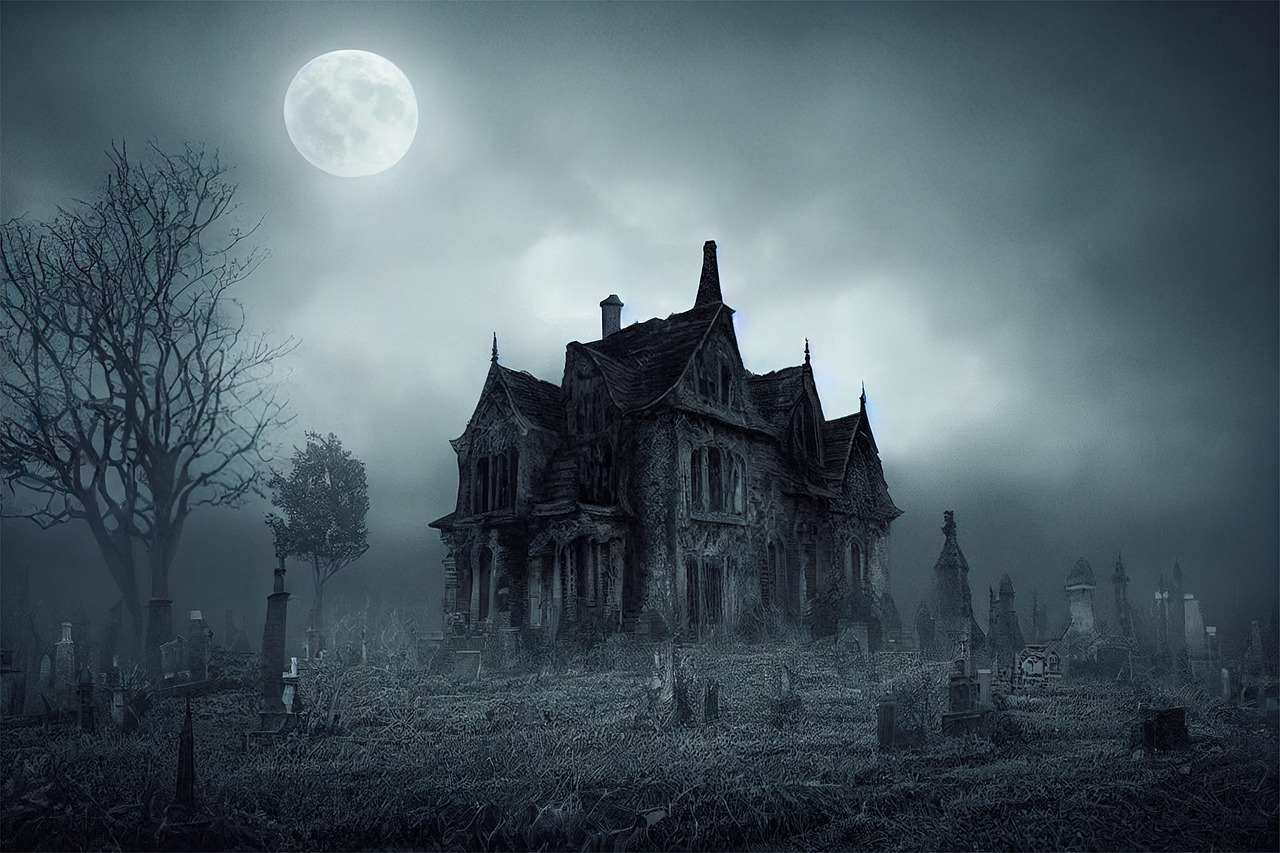
Unlock the doors to Victorian Gothic fiction with Dr Emma Liggins, just in time for Halloween.
Wednesday 28 October, 7-8pm
Keep the Pages Turning
Elizabeth Gaskell’s House is run by Manchester Historic Buildings Trust (charity no. 1080606) and all money gained through private tours, talks, room hire and ticket sales goes towards the ongoing maintenance and running costs of the House. If you would like to support the House with an additional donation you can do so via this link.